
Nitrous Oxide
For patients who feel a little nervous but don't need to be fully asleep, nitrous oxide (laughing gas) offers light relaxation that wears off almost immediately afterward, allowing you to drive yourself home.
Most people don’t think much about their wisdom teeth until they start causing problems. These third molars typically arrive between the of ages 17 – 25, long after the rest of your adult teeth have settled into place, and there’s often simply not enough room left in the jaw to accommodate them.
When that happens, wisdom teeth can grow in at odd angles, get stuck beneath the gumline, or crowd neighboring teeth. At Dens Dental Studio, we help patients throughout Uptown understand whether their wisdom teeth need attention and what the removal process actually involves.


Not every impacted wisdom tooth causes symptoms. Some stay buried beneath the gum and bone without ever announcing a problem, which is exactly why we rely on dental X-rays to track their position over time.
Catching an impaction early, before infection or damage to nearby teeth sets in, generally makes for a smoother extraction and easier recovery.

Removing wisdom teeth is one of the most common procedures performed in dental offices, and understanding the steps ahead of time can ease a lot of the nerves that come with it.
Before anything begins, Dr. Yang will review your dental X-rays to map out exactly where each wisdom tooth sits, how it’s angled, and whether it’s pressing against a nerve or neighboring tooth.
This planning stage determines whether the extraction will be straightforward or requires a more involved surgical approach. On the day of treatment, the area is thoroughly numbed and, depending on the complexity of the case, the tooth may need to be sectioned into smaller pieces to allow for easier, less invasive removal.
Fully erupted teeth tend to come out quickly, while impacted teeth that are angled sideways or trapped under bone may take a bit longer. Once the tooth is removed, the socket is cleaned and, if needed, a few stitches are placed to support healing.
Most patients are surprised by how manageable the appointment feels. Mild pressure during the procedure is normal, but pain is well-controlled throughout, and the entire visit usually wraps up within an hour, even for multiple teeth.
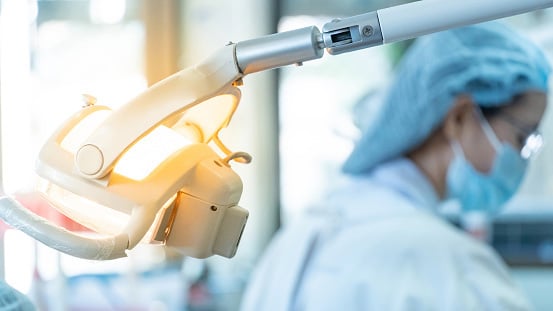
Comfort is a top priority, and we offer a range of sedation options for wisdom teeth removal so you can choose what feels right for your anxiety level and the complexity of your case.
Dr. Yang will walk you through which option makes the most sense based on your medical history, the number of teeth being removed, and your comfort preferences. Whichever route you choose, our goal is the same: a calm, anxiety-free experience from start to finish.
Nitrous Oxide
For patients who feel a little nervous but don't need to be fully asleep, nitrous oxide (laughing gas) offers light relaxation that wears off almost immediately afterward, allowing you to drive yourself home.
Oral Conscious Sedation
Oral conscious sedation, taken in pill form before your appointment, provides a deeper sense of calm for patients with more significant dental anxiety or those undergoing a more complex extraction.
IV Sedation
For more involved cases, particularly with deeply impacted teeth, IV sedation allows you to remain in a relaxed, sleep-like state throughout the procedure with little to no memory of the treatment afterward.
Recovery from wisdom teeth removal generally takes about a week, though everyone heals at a slightly different pace. Following the right aftercare steps in the first few days makes a noticeable difference in comfort and healing speed.
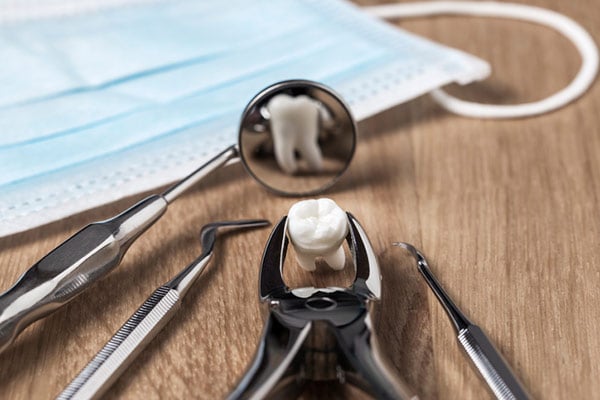
Some swelling, mild soreness, and slight bruising are completely normal during the first two to three days and should steadily improve from there.
Avoid smoking, vigorous rinsing, and hard or crunchy foods until your mouth has had adequate time to heal, since these can interfere with clot formation and slow recovery.
If you notice worsening pain, fever, or persistent bleeding beyond what feels typical, give our office a call at 224-350-5469 so we can check in and make sure everything is healing as expected.
As an experienced Uptown Chicago dentist, Dr. Yang has guided countless patients through wisdom teeth evaluation and removal with a calm, thorough approach that puts comfort first. Every treatment plan starts with a careful look at your individual anatomy and concerns, never a one-size-fits-all routine.
If you’re noticing jaw discomfort, swelling, or crowding that might point to impacted wisdom teeth, our Uptown team is ready to help you figure out the best path forward. Call Dens Dental Studio at 224-350-5469 today to schedule your wisdom teeth consultation.
Follow Us On Instagram