

Dental Implant Candidates in Uptown

If you’re wondering whether you qualify for dental implants, the answer often depends on your oral health, lifestyle, and overall medical condition. Dental implants are a long-lasting, natural-looking solution for missing teeth, but not everyone is immediately an ideal candidate. 

At Dens Dental Studio, Chicago patients receive personalized evaluations to determine eligibility and explore options for achieving a healthy, functional smile.

Woman smiling with dental implants from Dens Dental Studio in Chicago, IL.
Man smiling and excited to get dental implants during his consultation at Dens Dental Studio in Chicago, IL.

Who Is a Good Candidate for Dental Implants?

If you’re missing one or more teeth and want a stable, long-term replacement, implants may be a strong option. Typical candidates include:

  • Missing Teeth: Individuals who have lost teeth due to injury, decay, or aging.
  • Healthy Gums: Patients without active gum disease or infection.
  • Sufficient Jawbone: Enough bone density to securely support the implant.
  • Long-Term Focus: Those seeking a permanent-feeling alternative to removable dentures.
  • Non-Smokers or Reduced Tobacco Use: Better healing outcomes are associated with minimal or no smoking.

Dental Implants for Different Age Groups in Uptown

Age alone is not a limiting factor for dental implants. Adults of all ages can benefit, provided they meet the necessary health requirements.

Common age-related considerations include:

  • Younger Adults: Must have fully developed jawbones before treatment.
  • Working Professionals: Value the durability and natural appearance of implants.
  • Older Adults and Seniors: Often experience significant improvements in comfort and function compared to dentures.

For those exploring dental implants for seniors or younger adults, implants offer a reliable and lasting solution in Chicago.

Benefits of Choosing a Local Uptown Chicago Provider

Working with a Uptown Chicago implant dentist provides advantages that go beyond treatment itself. Proximity and familiarity can improve the overall experience.

Key benefits include:

  • Convenient Access: Easy to attend follow-up visits and routine check-ins.
  • Flexible Scheduling: Better alignment with busy urban lifestyles.
  • Continuity of Care: Ongoing support from a team that understands your needs.

Choosing a nearby implant specialist ensures consistent care throughout every stage of treatment.

The Dental Implant Evaluation Process

The evaluation typically includes:

  1. Comprehensive oral exam and digital imaging
  2. Review of medical and dental history
  3. Assessment of jawbone structure and gum health
  4. Discussion of goals, concerns, and treatment options
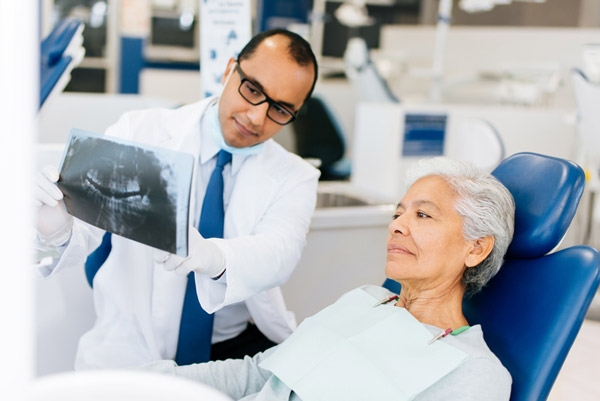
Dentist showing older patient her x-ray results during dental implant consultation at Dens Dental Studio in Chicago, IL.

Oral Health Requirements for Dental Implants

Strong oral health is essential for implant success. Before treatment begins, your dentist will evaluate the condition of your gums, teeth, and jawbone.

Key requirements include:

  • Healthy Gums: Gum disease must be treated before implant placement to avoid complications.
  • Adequate Jawbone Density: The jawbone must be strong enough to anchor the implant securely.
  • No Active Decay or Infection: Existing dental issues need to be resolved first.

Understanding gum health for implants and jawbone density dental implants helps ensure long-term stability and reduces the risk of implant failure.


Lifestyle Factors That Affect Eligibility

Daily habits can play a significant role in determining your candidacy for dental implants. Certain behaviors impact healing and long-term success.

Important lifestyle considerations include:

  • Smoking and Tobacco Use: Can restrict blood flow and delay healing after implant placement.
  • Oral Hygiene: Consistent brushing and flossing are critical for maintaining implant health.
  • Diet and Nutrition: A balanced diet supports recovery and overall oral health.

When evaluating implant healing factors, maintaining healthy habits can greatly improve outcomes.

Medical Conditions That May Impact Candidacy

Certain health conditions may influence your eligibility, but they do not automatically disqualify you. A thorough review of your medical history is part of the evaluation process.

Factors that may require additional consideration include:

  • Diabetes: Well-managed diabetes can still allow for successful implant treatment.
  • Autoimmune Conditions: May affect healing and require careful planning.
  • Medications: Some prescriptions can influence bone health or recovery.

Discussing medical conditions dental implants openly with your dental team helps ensure safe and effective treatment planning.

What If You’re Not an Ideal Candidate Yet?

Not qualifying for implants right away doesn’t mean they’re out of reach. Many patients can become eligible with preparatory care.

Common solutions include:

  • Bone Grafting: Strengthens the jawbone to support implants.
  • Gum Disease Treatment: Restores gum health before implant placement.
  • Lifestyle Changes: Reducing smoking and improving oral hygiene can enhance candidacy.

With the right approach, preparing for dental implants is often achievable, allowing more patients to benefit from this advanced solution.

Young man smiling and waiting for dentist during his dental implant consultation at Dens Dental Studio in Chicago, IL.

Comparing Dental Implants to Other Tooth Replacement Options

When considering tooth replacement, it’s helpful to compare implants with other options like dentures and bridges.

Dental Implants

Provide long-term stability, preserve jawbone structure, and function like natural teeth

Dentures

Removable and more affordable initially, but may require adjustments over time

Dental Bridges

Fixed option that relies on adjacent teeth for support

Am I a candidate for dental implants if I have gum disease?

Gum disease does not automatically disqualify you, but it must be treated before dental implants can be placed. Healthy gums are essential for supporting implants and ensuring long-term success.

Can smokers get dental implants?

Smokers may still qualify for dental implants, but smoking can increase the risk of complications and slow healing. Reducing or quitting smoking can significantly improve the chances of success.

Is there an age limit for dental implants?

There is no upper age limit for dental implants. As long as a patient has good overall health and sufficient jawbone density, implants can be a suitable option for adults of all ages.

What if I don’t have enough bone for implants?

If you lack sufficient jawbone density, procedures like bone grafting can help rebuild the bone and make dental implants possible in the future.

How do I know if dental implants are right for me?

The best way to determine if dental implants are right for you is through a comprehensive consultation that includes an oral exam, imaging, and a review of your medical history.

Close up of young woman's smile with dental implants from Dens Dental Studio in Chicago, IL.

Schedule a Dental Implant Consultation in Uptown Chicago

Determining your eligibility for dental implants starts with a personalized consultation at Dens Dental Studio. Every patient’s situation is unique, and a professional evaluation is the best way to understand your options.

During your visit, you can discuss your goals, review your oral health, ask any questions, and explore potential treatment plans tailored to your needs. Many patients find that even if they are not immediate candidates, a clear path forward can be established.

Call (224) 350-5469 to schedule your consultation and find out if dental implants are right for you.

@densdentalstudio

Follow Us On Instagram

224-350-5469

Call Us Today!