
 Experiencing discomfort in your jaw can significantly impact your daily life. It can make eating, speaking, and even sleeping difficult. The good news is that various approaches can help alleviate this pain and improve your overall quality of life. Let’s explore some options you might consider.
Understanding Jaw Pain
Jaw pain can stem from several sources. One common cause is temporomandibular joint disorders (TMD), which affect the joint connecting your jawbone to your skull. Other potential causes include teeth grinding (bruxism), arthritis, injuries, or even stress. Identifying the root cause of your discomfort is the first step toward finding effective relief.
Lifestyle Adjustments
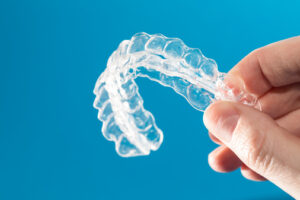
Sometimes, simple changes to your daily routine can make a big difference. If you grind your teeth, especially at night, your dentist might recommend a custom-fitted mouthguard to protect your teeth and reduce muscle tension. Applying warm compresses to your jaw can also help relax the muscles and ease pain. Avoiding chewy or hard foods can reduce the strain on your jaw joint. Additionally, practicing relaxation techniques, like meditation or deep breathing exercises, can help manage stress, a known trigger for jaw pain.
Physical Therapy
Physical therapy can play a vital role in managing jaw pain, particularly when TMD is the underlying issue. A physical therapist can teach you exercises to strengthen your jaw muscles, improve joint mobility, and reduce pain. These exercises might involve gentle stretches, controlled movements, and posture correction. They can also utilize techniques like massage and ultrasound to alleviate muscle tension and promote healing.
Medications
In some cases, your dentist or doctor might recommend medications to help manage your jaw pain. Pain relievers, such as over-the-counter options, can provide temporary relief. For more severe pain, prescription medications might be necessary. Muscle relaxants can help ease muscle spasms and tension, while anti-inflammatory drugs can reduce inflammation in the jaw joint.
Restoration Dentistry
Problems with your teeth or bite can contribute to jaw pain. Restoration dentistry can address these issues to improve the alignment of your teeth and jaw. For example, if missing teeth are causing your bite to shift, dental implants, bridges, or partial dentures can restore proper support and balance. If your teeth are uneven or misaligned, orthodontics, such as braces or aligners, can correct your bite and reduce strain on your jaw joint.
The Importance of Oral Care
Maintaining excellent oral care habits is essential for overall oral health, including managing jaw pain. Brushing your teeth twice a day, flossing daily, and visiting your dentist regularly for checkups and cleanings can help prevent dental problems that can contribute to jaw pain. Addressing cavities, gum disease, and other oral health issues promptly can help alleviate discomfort and prevent further complications. Remember, good oral care is a cornerstone of a healthy, pain-free mouth.
When to Seek Professional Help
If your jaw pain is persistent, severe, or accompanied by other symptoms like clicking or popping in the jaw joint, difficulty opening or closing your mouth, or headaches, it’s crucial to seek professional evaluation from your dentist. They can conduct a thorough examination, diagnose the underlying cause of your pain, and recommend the most appropriate treatment plan for your specific needs. They can also provide personalized advice on lifestyle adjustments, exercises, and other strategies to help you manage your discomfort and improve your quality of life.