
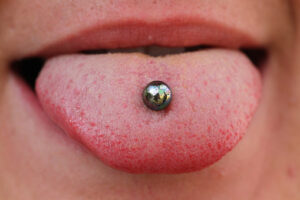
 Thinking about getting an oral piercing? While they might seem like a cool way to express yourself, it’s important to know about the potential problems they can cause in your mouth. Let’s take a closer look at how these piercings can affect your teeth, gums, and overall oral health, and how prevention dentistry can help.
The Risks of Oral Piercings
Oral piercings, whether in your tongue, lip, cheek, or uvula, can lead to a variety of complications. One of the most common issues is chipped or cracked teeth. The metal jewelry constantly knocks against your teeth, especially during eating, talking, or even sleeping. Over time, this can weaken the enamel and cause fractures that may require dental work to repair.
Your gums are also at risk. The jewelry can rub against the gums, leading to gum recession. This means the gums pull back, exposing more of the tooth root. Receding gums not only make your teeth look longer but also increase sensitivity and the risk of decay and gum disease.
Infections are another serious concern. Your mouth is full of bacteria, and a fresh piercing creates an open wound that’s vulnerable to infection. Even with good oral care, it can be difficult to keep the piercing site completely clean. Infections can cause pain, swelling, and even more severe health problems if they spread.
Other Potential Problems
Beyond chipped teeth, gum recession, and infections, oral piercings can also interfere with normal mouth function. The jewelry can make it harder to speak clearly or chew properly. It can also increase saliva flow, which can be annoying.
Some people with oral piercings develop nerve damage. This can lead to numbness or tingling in the tongue, which can affect your sense of taste. In rare cases, the damage can be permanent.
Allergic reactions to the metal in the jewelry are also possible. This can cause irritation, redness, and swelling around the piercing site.
The Role of Oral Care and Prevention Dentistry
Good oral care is crucial for everyone, but it’s especially important if you have an oral piercing. Brushing your teeth twice a day and flossing daily can help remove bacteria and prevent infections. It’s also a good idea to use an antibacterial mouthwash to keep the piercing site clean.
Regular visits to your dentist are essential for prevention dentistry. Your dentist can monitor the health of your teeth and gums, and identify any problems early on. They can also provide advice on how to care for your piercing and minimize the risks.
If you already have an oral piercing, talk to your dentist about the best ways to protect your oral health. They may recommend removing the jewelry altogether, or suggest using plastic jewelry instead of metal to reduce the risk of damage.
Making an Informed Decision
Before getting an oral piercing, carefully weigh the risks and benefits. Think about the potential impact on your teeth, gums, and overall health. If you decide to go ahead with the piercing, choose a reputable piercer who follows strict hygiene protocols. And remember, maintaining excellent oral care and seeing your dentist regularly are essential for keeping your mouth healthy.